
Georgios Georgiou | Riviera Maritime | Wednesday, July 29, 2026 | 12:00 PM UTC
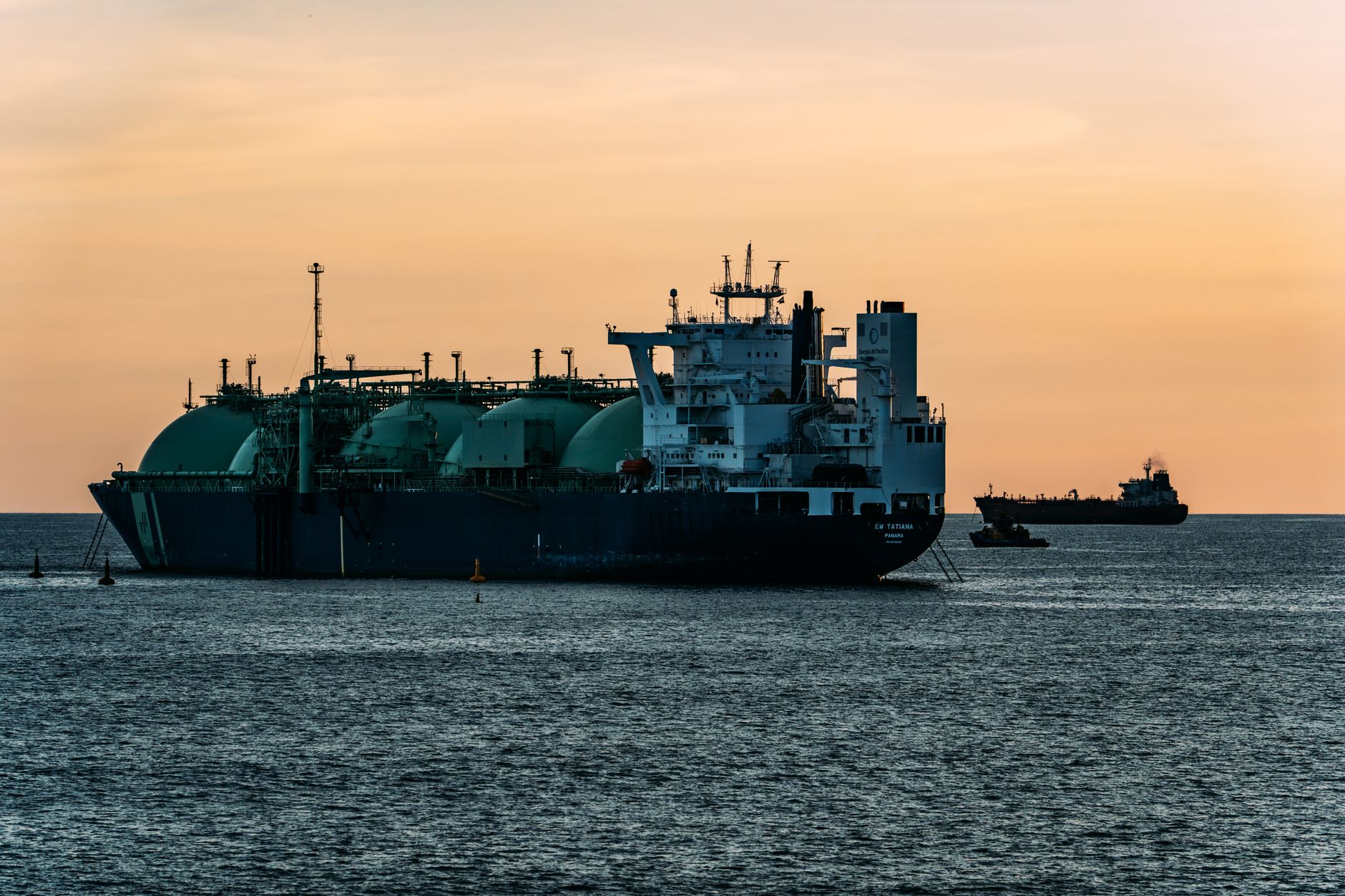
Ship-tracking data indicate that 1996-built Mraweh has crossed westbound through the Strait of Hormuz to pick up a new cargo. MarineTraffic data now shows the vessel inside the Middle East Gulf.
ICIS senior LNG analyst Alex Froley noted in a social media post that the crossing appears to have taken place while the vessel was off-signal, with no ship-tracking data available between 24 and 29 July.
"Visible crossings of the strait have almost halted with the increase in conflict in recent weeks," Mr Froley said.
The last LNG carrier observed departing the Strait of Hormuz was ADNOC-operated Al Hamra on 11 July.
According to ICIS, a total of 29 LNG cargoes have transited the Strait since the conflict began at the end of February, including 18 linked to Qatar and 11 to the UAE.
"Normally those two countries would load around 90-100 cargoes per month, most of which would head through Hormuz to global markets," Mr Froley noted.
The analyst told Riviera that LNG exports had taken a step back after the optimism that followed the mid-June peace deal between the US and Iran. At the time, the market had expected exports to resume within weeks.
"However, in mid-July everything was delayed again," he said.
He explained that Qatar has issued new force majeure notices to customers, extending the cancellation of LNG cargoes destined for buyers in Asia and Italy.
The country is also seeking to charter out additional LNG carriers, as it does not expect to use its entire fleet, he added.
ICIS currently assesses the Atlantic spot charter rate for a modern two-stroke LNG carrier at approximately US$89,000 per day, slightly lower than levels seen a few weeks ago.
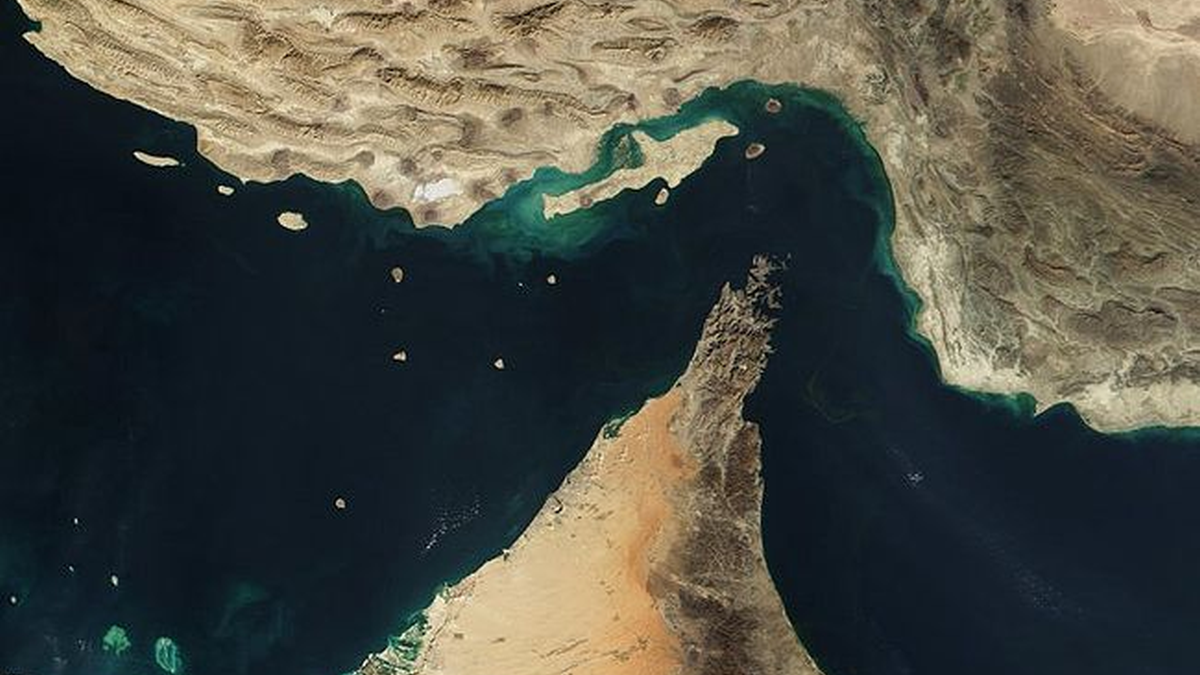 The last LNG carrier observed departing the Strait of Hormuz was ADNOC-operated Al Hamra on 11 July (photo credit: Jacques Descloitres | NASA) | Source: Riviera Maritime
Traffic fluctuating amidst continued geopolitical uncertainty
MarineTraffic data shows 12 vessel transits through the Strait of Hormuz on 28 July, compared with eight the previous day. The movements comprised six inbound and six outbound vessels, including bulk carriers, crude tankers and tugs.
According to the same data, 10 of the 12 transits were conducted via the Iranian Unilateral Scheme, while the remaining two followed an "undetermined route."
"A pause in large-scale reciprocal air strikes produced a slight uptick in traffic volume and operator confidence," the Joint Maritime Information Center (JMIC) said in its latest update issued on 28 July.
"Traffic patterns continued to reflect a cautious operator posture following earlier attacks, and several companies delayed or rescheduled passages. A notable portion of vessels transited with AIS switched off, further reducing visible traffic density and complicating situational awareness," JMIC added.
However, the US Central Command (US Centcom) reported a resumption of attacks on both the US and the Iranian sides. Centcom said it had partnered with Saudi forces to conduct strikes on what it called "Iran-aligned terrorists" in Iraq. The US claimed Iran’s Islamic Revolutionary Guard Corps (IRGC) had directed "terrorist proxies" to launch more than 30 aerial drone attacks over the 72 hours preceding the US strikes.
IRGC-linked Iranian news agency Fars cited the IRGC Navy in a report that the force had attacked three "tankers, which continued to move along an unsafe and illegal route despite our warnings".
The report claimed the tankers were "hit and stopped", but the attacks have not been reported by Western military commands.
The attack report comes after a brief lull in attacks during which Oman reportedly proposed a ’voluntary’ toll mechanism to US and Iranian negotiators to manage traffic through the Strait of Hormuz.
A separate incident on 27 July was reported by the Royal Navy-led United Kingdom Maritime Trade Operations (UKMTO) Centre in which the master of a tanker reported hearing an explosion while transiting in the southern Red Sea. The report confirmed that the crew and the vessel are safe.
On 28 July in the Red Sea, the Houthi militia in Yemen claimed to have attacked a Saudi oil tanker for "violating the maritime navigation ban" that it claimed to have imposed on Saudi vessels on 21 July.
The vessel purportedly attacked was identified by the Houthis as Saudi-flagged chemical tanker NCC Ghazal, listed under the ownership of Bahri subsidiary National Chemical Carriers in Saudi Arabia and managed by Bahri Shipmanagement. Bahri has not commented on the claimed attack.

