
Editorial Staff | XcruitEnergy | Thursday, July 30, 2026 | 12:00 PM UTC
Qatar has sent its first shipment of liquefied natural gas through the Strait of Hormuz since one of its tankers was attacked in the waterway more than three weeks ago. Iran's state broadcaster IRIB reported that the vessel crossed the strait after complying with "Iranian rules and conditions" for passage.
Three weeks after an explosive projectile set an energy tanker ablaze off Oman, Qatar has quietly resumed liquefied natural gas (LNG) shipments through the Strait of Hormuz. According to ship-tracking data by LSEG and Kepler. the LNG carrier Al Areesh cleared the narrow waterway sometime between the 29th and 30th of July with its AIS transponder actively broadcasting, marking the first Qatari gas transit since the July 7 attack, and the second since Adnoc-operated Al Hamra being the last known LNG carrier to transfit the straight on July 11.

Source: Iran Policy Bureau [accessed through X https://x.com/IranPolicyB on July 31, 2026]
The move by QatarEnergy is drawing wide attention and spurring speculation about future shipments in what seems to be a new reality of the strait. The LNG carrier Al Areesh (148,786 cbm) cleared the Strait, marking the first time an LNG carrier working for Qatar has made the transit in nearly three weeks.
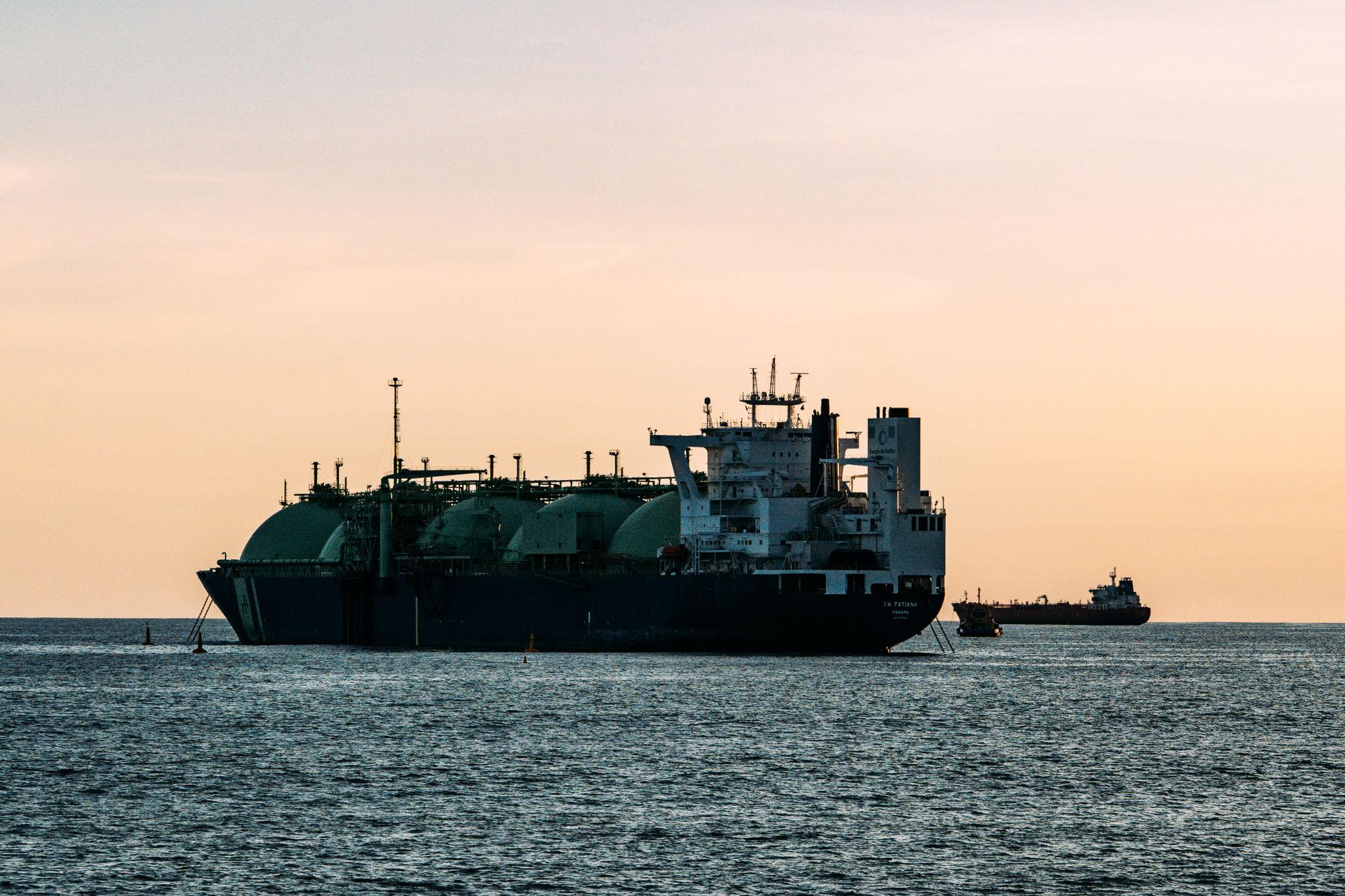
The vessel, which was built in 2007 and is operating under the Bahamas flag managed by Seapeak Maritime, is shown in the Gulf of Oman. Kpler data indicates the vessel loaded at Qatar’s Ras Laffan terminal at the beginning of July and had been holding near Qatar.
Al Areesh is reported by LSEG to have begun its movement on July 29, and yesterday Iran’s Fars News Agency - IGRC-affiliated news media said an unnamed Qatari LNG carrier had been given permission to make the transit. Iran, seems to be trying to gain support from its neighbors for its plan to control the Strait of Hormuz - which seems to be working if the Adnoc-operated Mraweh is also proved to have crossed the strait on July 29.
A Quite Return
Qatar seems to have silently operated this vessel, even there is no trace of the first news breaking out anywehre to be found. Fars News Agency appears to be the first who broadcasteded the news about the Qatari carrier as attributed by multiple news outlets including The Maritime Executive & Iran International also who attributed it to "IRGC media").
Kpler said in a report on Wednesday that the Adnoc-operated Al Hamra was the last known LNG carrier to transit the strait on July 11, which seems to be interrupted twice by both Adnoc's Mraweh and QatarEnergy's Al Areesh since then - establishing an interesting pattern.
 A satellite image of the Strait of Hormuz. Attribution-ShareAlike 3.0 IGO.
Owned by maritime logistics provider Seapeak, the vessel had been idling in the Persian Gulf since picking up cargo from Qatar's premier export hub, Ras Laffan, earlier this month. Ship registry data indicates the tanker is bound for Pakistan—a destination that carries significant diplomatic and operational weight.
Islamabad has played a dual role in the current crisis, mediating informal peace talks between Washington and Tehran while managing severe domestic energy shortages. Pakistani importers had previously deferred purchasing spot-market cargoes in anticipation that Qatari long-term deliveries would resume. However, as reported by The National, growing anxiety over supply continuity had recently prompted Pakistani officials to initiate emergency spot tenders for August—a hedge that underscores how tight global market conditions have become.
Staging at Ras Laffan
While the movement of the Al Areesh represents a single data point, satellite and tracking logs show more than a dozen gas tankers anchored near Ras Laffan. The staging suggests QatarEnergy may be preparing a broader sequence of vessel departures if the initial transit encounters no interference.
Following the July 7 strike on the Qatari-managed vessel Al Rekayyat, QatarEnergy Chief Executive Saad Al-Kaabi took immediate steps to limit exposure. As highlighted in earlier coverage, Al-Kaabi suspended planned production increases at the world's largest LNG complex and ordered dockings reduced to essential operational baselines. Neither QatarEnergy nor Seapeak responded to media inquiries regarding current fleet readiness or updated transit security measures.
The bigger picture looking at this incident, parallel with the latest purchase of 33 newly purchased US LNG cargos to offset the strait's distrubtion (which dwarfs its purchase the four cargoes QatarEnergy bought last year) as it seeks to keep some of its customers supplied despite the force majeure declaration, which releases it from contractual obligations - this increase in cargo purchases and the sailing of the first LNG vessel tells us that matters are bottlenecking for QatarEnergy and the global energy market.
Cautious progress... & Flaring Security Environment
The extreme caution exercised by Qatari energy officials stems from a sudden nocturnal assault earlier in the month. On July 7, the LNG carrier Al Rekayyat was struck on its port side while navigating near the Strait of Hormuz. Emergency radio transmissions confirmed that a projectile—believed to be an uncrewed aerial vehicle—impacted the upper engine casing, triggering a heavy fire and dense smoke within the engineering compartment. The crew extinguished the blaze without suffering casualties, as reported by Al Jazeera.
The strike was not an isolated incident. During the same barrage, missiles fired by Iran's Islamic Revolutionary Guard Corps (IRGC) damaged the Saudi-flagged supertanker Wedyan off Oman's coast, according to regional reporting by The National. Oil markets panicked immediately, sending Brent crude futures toward $73 per barrel. Although Qatari authorities held Tehran fully legally responsible for the damages, Iranian officials declined to claim formal credit for the attack.
The timing of Thursday's transit is precarious. A fragile, unannounced pause in hostilities designed to facilitate diplomatic channels broke down late Tuesday when Iranian forces launched multiple ballistic missiles at a U.S. military facility in Jordan. In swift response, American forces carried out retaliatory strikes early Thursday—unfolding virtually parallel to the Al Areesh's entry into the Gulf of Oman.
Because active military exchanges remain fluid, commodity analysts treat this single shipment not as an all-clear signal, but as a calculated probe to evaluate transit risk before committing further high-value assets to the corridor.
Topical FAQs
Q: What key development occurred on July 30, 2026?
Qatar dispatched its first LNG tanker, the Al Areesh, through the Strait of Hormuz since maritime attacks halted transits over three weeks prior.
Q: Which tanker made the transit, and where is it bound?
The Al Areesh, operated by Seapeak, completed the crossing while broadcasting its location. Tracking data lists Pakistan as its destination.
Q: What initially forced Qatar to pause LNG shipments?
On July 7, Qatar's Al Rekayyat gas carrier was hit by a projectile during transit, causing an engine-room fire and prompting safety halts across QatarEnergy's fleet.
Q: Who was identified as responsible for the July 7 attack?
Iran's Revolutionary Guard Corps fired missiles at commercial shipping in the area that night. Qatar holds Iran legally accountable, though Tehran issued no formal claim.
Q: Were any crew members harmed during the Al Rekayyat incident?
No casualties were reported. All crew members safely evacuated the engine room and extinguished the blaze.
Q: Were other commercial ships hit during the same wave of attacks?
Yes. The Saudi-flagged supertanker Wedyan was also struck and damaged off Oman's coast during the same series of IRGC missile strikes.
Q: Did QatarEnergy cut back gas production following the incident?
QatarEnergy Chief Executive Saad Al-Kaabi suspended planned production expansion at Ras Laffan and kept complex operations to essential baselines.
Q: What indicators suggest Qatar may resume regular exports?
Marine radar logs show over a dozen LNG vessels currently anchored at Ras Laffan, indicating preparations for potential loading operations.
Q: How did benchmark energy prices react to the July 7 attack?
Brent crude prices surged toward $73 a barrel as commodity traders factored in potential long-term disruptions to Persian Gulf energy transit.
Q: Is the Strait of Hormuz currently deemed safe for commercial shipping?
Risk remains elevated. Ongoing military strikes between U.S. forces and Iran leave shipping lanes vulnerable to further sudden disruption.
Q: What geopolitical events preceded the July 30 tanker movement?
Iran launched ballistic missiles at a U.S. military base in Jordan on Tuesday night, prompting retaliatory U.S. air strikes on Thursday morning.
Q: Why is Pakistan's role pivotal in this situation?
Pakistan has acted as a diplomatic mediator between Washington and Tehran, while balancing critical domestic gas shortages that hinge on Qatari deliveries.
Official Sources & Verified References
- Bloomberg — Qatar Sends First LNG Cargo Through Strait of Hormuz Since Tanker Attack
- The National — Qatar Sends First LNG Shipment Through Strait of Hormuz Since Tanker Attack
- Bloomberg — Qatar Pauses Push to Ramp Up LNG After Hormuz Tanker Attack
- The National — Qatar Blames Iran After LNG Tanker Struck in Strait of Hormuz
- Al Jazeera — Saudi, Qatari Tankers Hit as Strait of Hormuz Risks Worsen
- QatarEnergy — Official Corporate Site
- Seapeak — Maritime Corporate Portal
- QatarEnergy buys 33 US LNG Cargoes to offset Hormuz Disruption
- Fars News Network
- Riviera ADNOC-operated LNG carrier appears to be first to enter Strait of Hormuz in weeks
- Iran International, Qatar LNG Carrier Passes through Hormuz

