
Stephen Stapczynski | Bloomberg | Tuesday, July 07, 2026 | 01:09 AM UTC
For weeks, Qatar had been signaling confidence that it would quickly revive liquefied natural gas exports that have been all-but halted since the beginning of the Iran war.
QatarEnergy’s trading arm was publicly offering spot shipments for late-August delivery to Asia as recently as Monday, reinforcing the impression that supply was set to return.
Satellite thermal readings suggested production trains at Ras Laffan were preparing for a restart, empty LNG carriers were massing offshore, and the country’s prime minister had said exports could resume within weeks.
All of these restart plans, however, depend on one thing: Safe transit through the Strait of Hormuz.
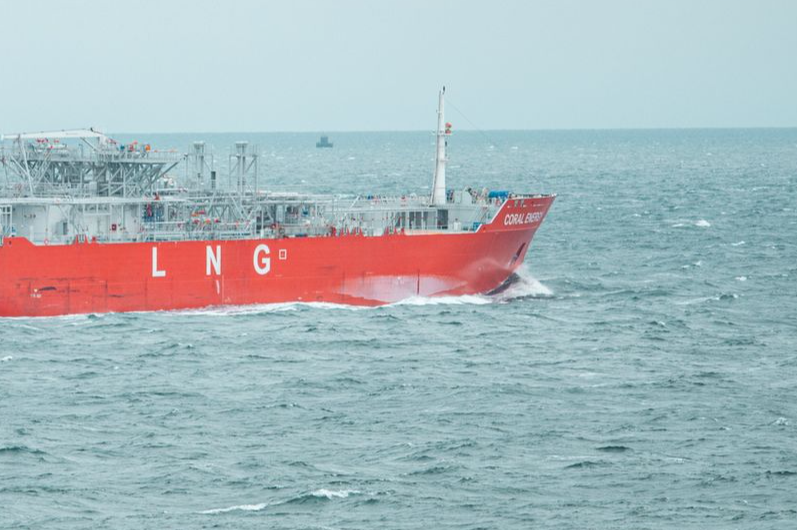
The first attack on a Qatari LNG tanker since the war began now threatens that entire calculus. The Al Rekayyat, carrying a cargo from Qatar and concealing its position as it exited Hormuz via Omani waters, was struck by a projectile early on Tuesday.
The impact of the attack is rippling through the market.
One Qatari LNG carrier in the Persian Gulf appears to have paused its intended journey to Pakistan, forcing anxious officials in Islamabad to scramble for replacement cargoes. European gas prices climbed as much as 6%.
The longer Qatari supply remains constrained, the greater the risk that Europe and Asia will be in direct competition for LNG as they replenish inventories ahead of winter, pushing prices — still about 70% above prewar levels — even higher.
Qatar accounted for roughly a fifth of global LNG supply last year, and every shipment bound for customers outside the Middle East must pass through the Strait of Hormuz. Unlike oil, there is no practical alternative route.
That dependence has hamstrung Doha throughout the war. Qatar has repeatedly slowed or suspended tanker movements when security risks intensified, helping explain why LNG prices have remained elevated even as oil prices have largely returned to prewar levels.
Now, one of Qatar’s flagship LNG carriers has come under attack despite efforts to conceal its location. The incident will force the country to again weigh how quickly it can restore exports without exposing crews and vessels to greater danger.
Any renewed caution will have global ramifications.

